In California, a non-compliant website is a $4,000 liability per violation.
California Civil Code §52(a), the Unruh Civil Rights Act
We build ADA-focused websites, built to WCAG 2.2 AA, well-designed, and documented from day one.
Free. 60 seconds. No email required to see your score.
Prefer to talk it through first?
Built by the team that resolved a multi-million dollar suit ADA case. California specialists. WCAG 2.2 AA.
Who's suing, and why
This isn’t bad luck.
It’s a business model.
A small group of plaintiffs and law firms file thousands of website accessibility lawsuits every year, and California food businesses are their favorite target. They don't visit your restaurant. They scan your website.
1 in 3
ADA web lawsuits name a restaurant. The single largest target industry, up 80% year over year.
600+
Lawsuits filed by a single plaintiff, mostly against small food businesses in Southern California.
$4,000
Minimum damages per offense under the Unruh Act, plus attorney fees. Each visit can be counted separately.
Sources: EcomBack 2025 Annual Report, Seyfarth Shaw ADA Title III tracking, Cal. Civ. Code §52(a)
How it happens
The demand letter usually arrives before you know anything is wrong.
A typical demand letter cites specific WCAG failures, references ADA Title III,
and demands a settlement, usually with 30 to 60 days to respond
before escalation.
Most owners pay because it’s cheaper than fighting it. That math only
changes if your site is compliant and you can prove it. That second part is
where most compliance vendors go quiet, and where our work best
supports you.
Here’s how we help change the math.
What we do
Real protection.
Smarter-built sites.
Documented for defense.
ClarifyADA™ designs and hosts websites that work for everyone, documented to prove it.
Sites That Work for Everyone
Every visitor to your site is a potential customer, including the roughly 25% of adults with a disability.
We design sites that work for people using screen readers, keyboards, or magnification, and for everyone else who walks through the door.
WCAG 2.2 AA standards, designed and built right from the foundation.
Proof That Cuts Legal Exposure
Documentation changes how demand letters get settled. We track every accessibility decision made on your site, so you can show exactly what was done and when.
No documentation means a higher settlement. With ours, you have receipts.
ADA-Focused Sites, Built to WCAG 2.2 AA, in as Soon as 7 Days
A new accessible website shouldn't take months. Our process is designed for speed without compromise.
Many projects go live within 7 days of kickoff, and all are built to the latest WCAG 2.2 AA compliance from day one.
How it works
ADA-focused
in days, built to WCAG 2.2 AA. Documented from day one.
No six-month remediation projects. No mystery widgets. A straightforward process built for busy food service operators.
Scan
Automated tools plus human review. We show you exactly what's wrong and what it costs you.
Build
WCAG 2.2 AA from the foundation. Menus and ordering included. Most sites launch in 7 days.
Host
Your site lives on our infrastructure. We host what we build for compliance reliability.
Monitor & Diary
Ongoing scans, every change is logged in your timestamped site diary. Receipts, not promises.
That diary deserves its own explanation, it’s the part nobody else offers.
The compliance diary
If a letter ever arrives, you won’t be starting from zero.
Every scan, fix, and decision on your site is logged with a timestamp the moment it happens. Not a report assembled after you’re in trouble. A record that has been building since day one.
What it records
Scan results, manual fixes with the WCAG criterion cited, menu and content updates, review dates. Who did what, and when.
Why it matters
Owners with no documentation have little room to negotiate. A documented history of active, good-faith remediation changes the conversation your attorney gets to have.
A diary doesn’t make you lawsuit-proof. Nothing does. It makes you a documented defendant instead of an easy one.
Jalisco Cantina · compliance diary
Updated Daily- Aug 3, 20267:23 am
Screen reader pass. 0 new issues across 22 pages. WCAG 4.1.2.
- Jul 9, 20262:14 pm
Summer menu updated. 14 images verified with alt text. WCAG 1.1.1.
- Jul 6, 20269:02 am
Weekly automated scan. 0 new issues across 22 pages.
- Jul 1, 202611:18 am
Reservation embed contrast raised to 5.1:1. WCAG 1.4.3. Verified by keyboard navigation test.
- Jun 27, 20264:41 pm
Screen reader pass on ordering flow. 2 label fixes shipped same day. WCAG 4.1.2.
Here’s what it looks like on real sites.
Client results
Case Studies
Compliant, well-documented, and styled to match each client's brand.
Built by designers whose work has shipped for Apple, Nike, Levi’s, and Visa.

Stupid Good Ramen
Japanese Fast Food • Pop-Up
Various locations
Accessibility Score
100
Stupid Good Ramen is a pop-up concept that features authentic ramens, gyoza, and other Japanese classics. The business is a purely pop-up concept run by experienced chefs and has a strong cult following throughout the state.
The business needed something fast, simple, and easy to manage by their small team and Clarify created this and manages this site to keep the site current and up-top-date at an affordable price.
“We were looking for something fast and easy that works and we don't have to worry about it. Clarify did a great job and we love how great the site looks and works.”
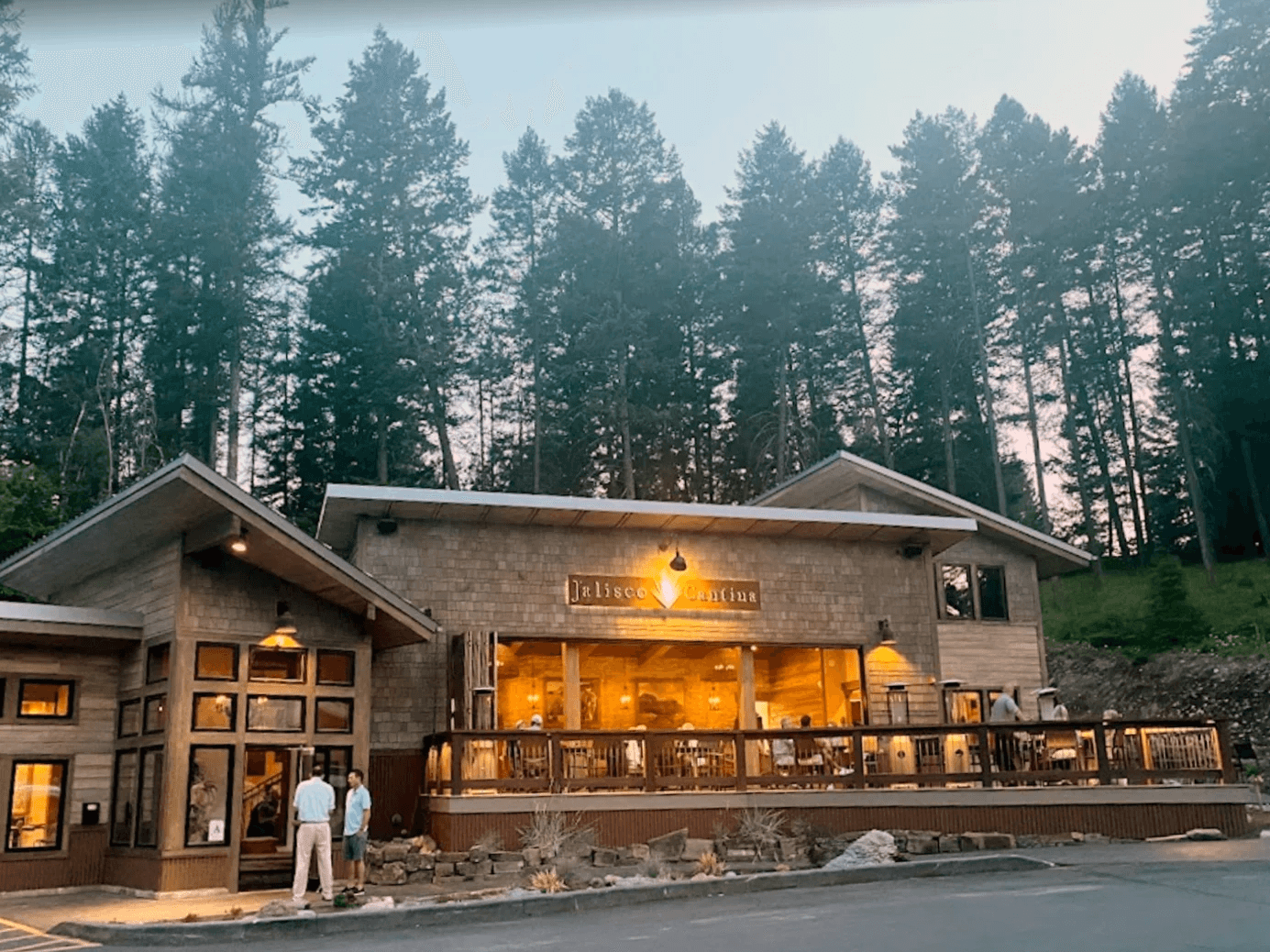
Jalisco Cantina
Mexican Restaurant • Carlsbad, CA
2 locations
Accessibility Score
98
Google's Lighthouse
Accessibility Score
August 2026
Jalisco Cantina was one of Clarify's first clients needing ADA compliance assistance. This Southern California restaurant, like so many California spots, needed to improve their website compliance and Clarify responded quickly and effectively.
With two locations that each has its own style, menu, and schedules, we created a system that worked across multiple locations quickly and easily and it is constantly being reviewed and updated.
“Our site, menu, and digital marketing continue to perform for us and everything works together. It looks great, it's easy to manage, and we're very pleased with the overall results.”
What it costs
Less than one demand letter.
Most website accessibility settlements in California run five figures before your own attorney's bill. Compliance is the cheaper side of this math, every time.
Demand letter cost
$7,000-$25,000
typical settlement range
Plus legal fees. Plus the rebuild you’ll need anyway. Plus the second letter, because settling once puts you on a list.
Settlement figures: Seyfarth Shaw ADA Title III reports, EcomBack 2025 filings, and client matters
Starter
Starting at
$2,500
For single-location businesses ready to launch fast. 1-3 pages.
- Custom site, WCAG 2.2 AA site
- Menu, hours, and contact info built-in
- Completed in as little as 5-7 days
- Includes hosting setup, domain transfer, first month of hosting
Hosting, HTTPS security, and basic compliance diary. From $100/mo
Standard
Starting at
$4,000
For businesses with more content, ordering, or reservations.
- Everything in Starter plus:
- Online ordering or reservation integration (OpenTable, etc.)
- Expanded content & page count
- Richer features, faster hosting platform, more comprehensive reporting/analytic tools
Hosting, HTTPS security, full reporting, and 2nd tier compliance diary. From $300/mo
Custom
Let’s discuss
For restaurant groups and multi-location operators. Or, businesses wanting more customized site design, application integration, etc.
- Everything in Standard, priced per location
- Centralized hosting and reporting across locations
- Quote based on location count and complexity
- Additional support and services
Pricing assumes your site copy and photos are ready to go. Content creation, image sourcing, and third-party integrations are quoted separately.
Common questions
Fair questions. Straight answers.
The questions we hear most from restaurant owners.
Check your site
Find out where you stand.
Before someone else does.
The same scan a plaintiff's firm would run, free, in 60 seconds.
Free. 60 seconds. No email required to see your score.
Prefer to talk it through first?
Built by the team that resolved a multi-million dollar suit ADA case. California specialists. WCAG 2.2 AA.
Who’s behind ClarifyADA
The team behind your compliance record.
You are trusting a partner with your website, your hosting, and an ongoing legal record. Here is who is accountable for it.

Lucky
Managing Partner
Formerly with BBDO, and a Partner at CKS (integrated branding & marketing), working on accounts including Apple, Visa, Levi’s, and McDonald’s. Now Managing Partner at Tracker+Scout and founder of ClarifyADA, focused on building accessible, well-designed, and defensible websites for California restaurants and other businesses.

Haris
Development
Haris is our backbone. An incredible full-stack developer, with talent and skill beyond compare. Haris leads our Development team and manages all things related - from hosting management to applications development and everything in beween – we’re so lucky to have someone like him on our team.